Post Page Advertisement [Top]

National Education Policy 2020: Innovations, Challenges, and Future Perspectives

Introduction

Education is the foundation of national development, social progress, economic growth, and individual empowerment. A strong education system promotes knowledge, creativity, critical thinking, innovation, and responsible citizenship. Recognising the changing needs of society and the global economy, the Government of India introduced the National Education Policy (NEP) 2020, which represents a significant transformation in the Indian education system. The policy aims to make education inclusive, flexible, multidisciplinary, skill-oriented, and globally competitive.

The National Education Policy 2020 is the first comprehensive education policy of the twenty-first century in India and replaces the National Policy on Education 1986, as modified in 1992. It provides a vision for transforming school education and higher education by emphasising holistic development, experiential learning, vocational education, research, digital learning, and equitable access to educational opportunities.

NEP 2020 seeks to establish an education system that prepares students for the challenges of the modern world while preserving India's cultural heritage and constitutional values. Its successful implementation is essential for building a knowledge-based society and achieving sustainable national development.

Major Innovations of National Education Policy 2020

The National Education Policy 2020 introduces several innovative reforms intended to improve educational quality, accessibility, and relevance.

1. New School Education Structure: 5+3+3+4

One of the major innovations of NEP 2020 is the introduction of the 5+3+3+4 curricular and pedagogical structure, replacing the traditional 10+2 structure in its conceptual organisation.

The structure covers children aged 3 to 18 years:

  • Foundational Stage (5 years): Three years of preschool or Anganwadi education and Classes 1–2.

  • Preparatory Stage (3 years): Classes 3–5.

  • Middle Stage (3 years): Classes 6–8.

  • Secondary Stage (4 years): Classes 9–12.

This framework recognises the importance of early childhood care and education and promotes age-appropriate learning approaches.

2. Emphasis on Foundational Literacy and Numeracy

NEP 2020 identifies foundational literacy and numeracy as essential priorities. Every child should develop basic reading, writing, and mathematical abilities during the early years of education.

The policy emphasises activity-based learning, play-based pedagogy, and language development.

Strong foundational skills are necessary for students to progress successfully through higher levels of education.

3. Multidisciplinary and Holistic Education

The policy promotes multidisciplinary education by reducing rigid boundaries between academic streams such as science, commerce, arts, and humanities.

Students are encouraged to select subjects according to their interests, abilities, and career aspirations.

Holistic education focuses on intellectual, physical, emotional, social, and ethical development. It aims to develop well-rounded individuals rather than learners who focus exclusively on examination performance.

4. Vocational Education and Skill Development

NEP 2020 emphasises integrating vocational education into mainstream education.

Students are encouraged to develop practical skills through internships, workshops, project-based learning, and exposure to vocational activities.

The policy seeks to reduce the social stigma associated with vocational education and promote skill development as an essential component of learning.

This approach can improve employability, entrepreneurship, and workforce productivity.

5. Promotion of Indian Languages

The policy encourages the use of the mother tongue, home language, or regional language as the medium of instruction, wherever feasible, particularly until at least Grade 5 and preferably until Grade 8 and beyond.

It also promotes multilingualism and the development of language skills.

Learning in familiar languages can improve comprehension, participation, and foundational learning, while multilingual education can enhance cultural understanding.

6. Technology Integration in Education

NEP 2020 recognises the importance of digital technology in teaching, learning, research, and educational administration.

It encourages the use of online learning platforms, digital libraries, educational applications, virtual laboratories, and technology-supported assessment.

Digital education can expand access to quality educational resources, especially for students in remote and underserved regions.

Innovations in Higher Education

The National Education Policy 2020 proposes significant reforms in higher education institutions.

Multidisciplinary Universities

The policy aims to encourage the development of large multidisciplinary institutions that offer diverse academic programmes.

Students may have greater flexibility to combine subjects from different disciplines, encouraging creativity, critical thinking, and interdisciplinary knowledge.

Academic Bank of Credits

The Academic Bank of Credits (ABC) is designed to facilitate the digital storage and transfer of academic credits earned by students from recognised institutions.

It supports flexibility in learning pathways and can help students pursue education across institutions, subject to applicable regulations.

Research and Innovation

NEP 2020 emphasises strengthening research culture in universities and colleges.

The policy envisions the development of a strong research ecosystem through research funding, institutional collaboration, and interdisciplinary studies.

The Anusandhan National Research Foundation (ANRF), established under the ANRF Act, 2023, is an important initiative supporting the broader objective of strengthening research and innovation in India.

Institutional Autonomy and Quality Assurance

The policy seeks to promote institutional autonomy accompanied by accountability and transparent governance.

Higher education institutions are encouraged to improve academic quality, research performance, administrative efficiency, and student support systems.

Quality assurance mechanisms play a significant role in ensuring that educational institutions maintain high standards.

Challenges in Implementing NEP 2020

Despite its ambitious objectives, the implementation of NEP 2020 faces several challenges.

1. Financial Constraints

Implementing educational reforms requires substantial investment in infrastructure, teacher training, digital facilities, research centres, and learning resources.

Many institutions, particularly in rural and economically disadvantaged regions, may face financial limitations.

2. Digital Divide

Access to digital education remains unequal across different regions and socioeconomic groups.

Students without reliable internet connectivity, computers, or smartphones may face difficulties participating in technology-supported learning.

3. Teacher Training and Capacity Building

The successful implementation of NEP 2020 depends heavily on teachers.

Teachers require continuous professional development in innovative pedagogy, digital learning, assessment methods, and multidisciplinary teaching.

Insufficient training may reduce the effectiveness of educational reforms.

4. Language-Related Challenges

Implementing multilingual education requires adequate textbooks, teaching materials, trained educators, and subject-specific resources in different languages.

Developing high-quality educational content across India's linguistic diversity can be a complex task.

5. Institutional Resistance

Some educational institutions may face difficulties adapting to new curricular structures, academic flexibility, digital systems, and administrative reforms.

Effective leadership and institutional cooperation are essential for overcoming resistance to change.

6. Regional and Social Inequality

Differences in infrastructure, teacher availability, financial resources, and educational opportunities may affect the uniform implementation of the policy.

Special attention must be given to students from rural, tribal, economically weaker, and socially disadvantaged communities.

Future Perspectives of NEP 2020

The future of the Indian education system depends significantly on the effective implementation of NEP 2020.

The policy offers opportunities to create a modern, inclusive, and globally competitive education system.

1. Development of a Skill-Oriented Education System

Future education should integrate technical skills, vocational training, digital literacy, communication, entrepreneurship, and problem-solving.

This can prepare students for emerging employment opportunities and changing industry requirements.

2. Strengthening Digital and AI-Based Learning

Artificial intelligence, adaptive learning platforms, and digital educational resources may improve personalised learning and academic support.

Educational institutions should adopt these technologies responsibly while protecting student privacy and promoting academic integrity.

3. Promotion of Research and Innovation

Universities should strengthen research infrastructure, provide financial assistance to scholars, and encourage interdisciplinary collaboration.

Research-based education can contribute to technological advancement and national development.

4. Internationalisation of Higher Education

NEP 2020 encourages greater international academic collaboration.

Student exchange programmes, faculty partnerships, joint research projects, and international academic cooperation can improve the global standing of Indian institutions.

5. Inclusive and Equitable Education

The future education system must ensure equal opportunities for all learners.

Accessible infrastructure, scholarships, inclusive teaching practices, and targeted educational support can help reduce inequalities.

6. Continuous Assessment and Competency-Based Learning

Future educational practices should focus on understanding, application, analytical thinking, and practical competencies rather than memorisation alone.

Assessment reforms can help students develop deeper learning abilities and prepare for real-world challenges.

Conclusion

The National Education Policy 2020 represents a significant milestone in the transformation of India's education system. Its emphasis on holistic development, multidisciplinary learning, vocational education, digital technology, research, and inclusion provides a comprehensive vision for educational reform.

The policy aims to move education beyond traditional classroom practices and examination-oriented learning towards a flexible, learner-centred, and competency-based system.

However, its successful implementation requires adequate funding, effective governance, trained teachers, modern infrastructure, and cooperation among governments, educational institutions, communities, and other stakeholders.

NEP 2020 has the potential to strengthen India's global educational position and promote sustainable development. By addressing implementation challenges and ensuring equitable access to quality education, India can develop an innovative, skilled, and knowledgeable population.

Ultimately, the National Education Policy 2020 is not merely an educational reform initiative; it is a long-term vision for building an empowered, inclusive, and knowledge-based society.

Read more ...

Transforming Higher Education Through Digital Learning and Artificial Intelligence


Introduction

Higher education is undergoing a significant transformation in the twenty-first century due to the rapid advancement of digital technologies and artificial intelligence (AI). Traditional educational systems, which primarily depend on classroom lectures, printed textbooks, and conventional assessment methods, are increasingly being complemented by digital learning platforms, virtual classrooms, intelligent tutoring systems, and AI-powered educational applications. These technological developments are reshaping the way knowledge is delivered, acquired, evaluated, and applied.

Digital learning and artificial intelligence have emerged as powerful tools for improving educational quality, expanding access to learning opportunities, and promoting innovation in higher education institutions. They provide students with flexible learning environments, personalised educational experiences, and access to a wide range of academic resources. At the same time, they enable teachers and researchers to improve their productivity, teaching effectiveness, and research capabilities.

In India, the integration of digital learning and artificial intelligence is becoming increasingly important in achieving the objectives of the National Education Policy (NEP) 2020. Transforming higher education through technology is essential for building an inclusive, innovative, and knowledge-based society.

Meaning of Digital Learning in Higher Education

Digital learning refers to the use of digital technologies, online platforms, electronic resources, and multimedia tools to facilitate teaching and learning.

It includes online education, blended learning, virtual classrooms, digital libraries, learning management systems, educational applications, and interactive learning environments.

Digital learning enables students to access educational content anytime and from different locations. It reduces geographical barriers and provides opportunities for learners who may not be able to attend traditional classroom programmes.

Higher education institutions can use digital platforms to deliver lectures, conduct examinations, organise academic discussions, distribute study materials, and monitor student progress.

Digital learning also promotes independent learning, collaboration, and flexibility, making education more accessible and adaptable to individual needs.

Role of Artificial Intelligence in Higher Education

Artificial intelligence refers to technologies that enable computer systems to perform tasks involving capabilities such as language processing, pattern recognition, prediction, and decision support.

AI is increasingly being used in higher education to support teaching, learning, research, and administrative activities.

1. Personalised Learning

One of the major advantages of AI in education is personalised learning. AI-supported educational systems can analyse students' learning patterns, performance, and progress to recommend suitable learning resources.

Students can receive individualised practice exercises, explanations, and learning suggestions according to their academic needs.

This approach helps students improve their understanding and learn at their own pace.

2. Intelligent Tutoring Systems

AI-powered tutoring systems can provide academic assistance outside classroom hours. They can answer questions, explain concepts, provide practice problems, and offer feedback.

These systems may support students in subjects such as mathematics, computer science, language learning, and scientific disciplines.

However, AI tutoring should complement teachers' guidance rather than replace human interaction and academic mentorship.

3. Automated Assessment and Feedback

Artificial intelligence can assist teachers in evaluating certain types of assignments, quizzes, and objective examinations.

AI-supported assessment tools can provide immediate feedback and identify areas where students require additional support.

Teachers can use this information to improve instructional strategies and monitor academic performance.

Nevertheless, complex assignments, creative work, and subjective assessments require human judgement to ensure fairness and academic quality.

Digital Learning and Student-Centred Education

Digital learning promotes a shift from teacher-centred education towards student-centred learning.

In traditional classrooms, students often depend primarily on teachers for knowledge. Digital platforms provide learners with opportunities to explore educational resources independently and participate actively in the learning process.

Students can access recorded lectures, online courses, digital textbooks, interactive simulations, and academic databases.

Collaborative learning platforms allow students to participate in group projects, online discussions, and virtual presentations.

This approach encourages critical thinking, creativity, problem-solving, and independent learning.

Student-centred digital education also supports lifelong learning by enabling individuals to acquire new knowledge and skills throughout their professional careers.

Transforming Teaching Practices Through Technology

Digital technologies and artificial intelligence are transforming the role of teachers in higher education.

Teachers are no longer limited to delivering lectures and preparing printed study materials. They can use digital tools to design interactive lessons, develop multimedia resources, conduct virtual discussions, and provide personalised academic support.

AI tools can assist teachers in preparing lesson plans, generating practice questions, organising educational content, and analysing student performance.

Digital presentations, educational videos, virtual laboratories, and simulation-based learning can make complex subjects easier to understand.

Teachers can also use blended learning approaches that combine face-to-face classroom instruction with online educational activities.

The effective integration of technology requires teachers to develop digital literacy, technological competence, and innovative pedagogical skills.

Artificial Intelligence in Academic Research

Artificial intelligence has significant potential to strengthen academic research in higher education institutions.

Researchers can use AI-supported tools for data analysis, literature organisation, language assistance, statistical modelling, and scientific simulations.

AI technologies can help researchers identify patterns in large datasets and explore complex research questions.

In disciplines such as healthcare, engineering, environmental science, economics, and social sciences, AI can support advanced research activities.

Digital research databases and online academic repositories also enable researchers to access scientific publications and collaborate with scholars worldwide.

However, AI-generated research content must be carefully verified. Researchers should maintain academic integrity, protect confidential information, acknowledge appropriate sources, and avoid plagiarism.

AI should be used as a supportive research instrument rather than a substitute for original thinking, methodological rigour, and scholarly judgement.

Digital Learning Initiatives in India

India has introduced several initiatives to promote digital education and improve access to educational resources.

1. SWAYAM

SWAYAM is an online learning platform that provides educational courses across school and higher education levels. It supports flexible learning and access to academic content.

2. DIKSHA

DIKSHA provides digital learning resources and educational materials for teachers and students, particularly in school education.

3. National Digital Library of India

The National Digital Library of India provides access to a wide range of educational resources, including books, research materials, and academic content.

4. PM eVIDYA

PM eVIDYA promotes digital, online, and television-based educational resources to support learning opportunities.

5. National Education Policy 2020

NEP 2020 emphasises the appropriate integration of technology into education, digital learning, educational planning, and teacher development.

These initiatives provide an important foundation for expanding technology-enabled education and improving access to learning resources across India.

Benefits of Digital Learning and Artificial Intelligence

The integration of digital learning and AI provides several benefits to higher education institutions.

  • Improved accessibility: Students can access learning resources from different locations.

  • Personalised education: AI can support learning experiences based on individual academic needs.

  • Flexible learning: Students can study according to their schedules and learning preferences.

  • Enhanced teaching efficiency: Digital tools can reduce repetitive academic tasks.

  • Research advancement: AI supports data analysis and research productivity.

  • Global collaboration: Digital platforms facilitate international academic communication.

  • Skill development: Students develop digital literacy and technology-related competencies.

  • Continuous learning: Online courses support lifelong education and professional development.

These benefits can improve educational quality when technology is integrated thoughtfully and effectively.

Challenges in Implementing Digital Learning and AI

Despite their advantages, digital learning and AI present several challenges.

1. Digital Divide

Students from rural and economically disadvantaged communities may lack reliable internet connectivity, computers, and smartphones.

2. Lack of Infrastructure

Many institutions require improved digital infrastructure, smart classrooms, laboratories, and technological resources.

3. Teacher Training

Faculty members may require professional development to use AI tools and digital learning platforms effectively.

4. Academic Integrity

Excessive dependence on AI-generated content may affect students' originality, independent thinking, and academic honesty.

5. Data Privacy and Security

Educational institutions must protect student information and ensure the responsible use of personal data.

6. Reduced Human Interaction

Overdependence on digital platforms may reduce face-to-face communication, mentorship, and collaborative classroom experiences.

7. Accuracy and Bias

AI systems may generate inaccurate information or reflect biases present in their training data. Therefore, educational content must be critically evaluated.

Addressing these challenges requires effective policies, institutional investment, ethical guidelines, and continuous monitoring.

Strategies for Effective Integration of Digital Learning and AI

Higher education institutions should adopt a systematic approach to technology integration.

The following strategies can improve the effectiveness of digital education:

  • Develop modern digital infrastructure and reliable internet connectivity.

  • Provide regular AI and digital literacy training for teachers.

  • Promote blended learning approaches.

  • Encourage responsible and ethical use of AI.

  • Develop accessible and multilingual educational resources.

  • Strengthen cybersecurity and student data protection.

  • Encourage research and innovation in educational technology.

  • Provide digital learning support to disadvantaged students.

  • Evaluate the effectiveness of technology-based teaching methods.

  • Maintain a balance between digital learning and human interaction.

Educational institutions should ensure that technology supports meaningful learning outcomes rather than becoming a substitute for effective teaching.

Conclusion

Digital learning and artificial intelligence are transforming higher education by creating new opportunities for teaching, learning, research, and institutional development. They promote flexible education, personalised learning, academic collaboration, and technological innovation.

In India, initiatives such as SWAYAM, DIKSHA, PM eVIDYA, and the National Education Policy 2020 provide important foundations for strengthening digital education.

However, the successful transformation of higher education requires adequate infrastructure, trained faculty members, inclusive access, ethical AI practices, and effective educational policies.

Universities and colleges must adopt a balanced approach that combines technological innovation with human guidance, critical thinking, academic integrity, and creativity.

Ultimately, digital learning and artificial intelligence can help build a more accessible, inclusive, and future-ready higher education system. Their responsible integration will contribute to academic excellence, research advancement, employability, and the development of a knowledge-based society.

Read more ...


Track2Training is organizing a special conference on “Career Opportunities in Research” aimed at guiding students, scholars, academicians, and young professionals about emerging pathways in the field of research and innovation. The conference seeks to create awareness about research as a meaningful and impactful career option while encouraging participants to explore opportunities in academia, industry, policy-making, consultancy, and interdisciplinary studies.

Research has become one of the most important drivers of development in science, technology, social sciences, management, education, health, and public policy. With increasing demand for innovation and evidence-based decision-making, skilled researchers are now required across universities, research institutions, government agencies, industries, startups, NGOs, and international organizations. The conference will provide participants with valuable insights into how research can lead to rewarding professional careers.

The conference will focus on:

  • Career pathways in academic and industrial research
  • Opportunities for higher education and PhD programs
  • Research publication and scholarly communication
  • Funding opportunities, fellowships, and grants
  • Skill development for young researchers
  • Digital research tools and emerging technologies
  • Interdisciplinary and collaborative research opportunities
  • Research ethics and quality publication practices

Experts, academicians, editors, and experienced researchers associated with Track2Training will share their experiences and guidance on building successful careers in research. Participants will also gain understanding about:

  • Writing research papers and proposals
  • Publishing in journals and edited books
  • Building academic profiles through ORCID, Google Scholar, and Scopus
  • Networking and collaboration opportunities
  • Research internships and training programs

The conference is expected to benefit:

  • Undergraduate and postgraduate students
  • PhD scholars and research aspirants
  • Faculty members and educators
  • Early-career professionals
  • Individuals interested in innovation and knowledge creation

Through this initiative, Track2Training continues its mission of promoting research awareness, academic excellence, and professional development among learners and researchers across disciplines.

Participants attending the conference will have the opportunity to interact with experts, discuss future academic opportunities, and understand the evolving landscape of research careers in India and globally. The event aims to inspire young minds to contribute toward knowledge generation, sustainable development, and societal progress through quality research and innovation.

Read more ...

 In today’s academic ecosystem, conferences play a vital role in knowledge exchange, networking, and research dissemination. Platforms like conferences.edupub.org provide a complete solution for organizing, promoting, and publishing academic conferences with global visibility.

Whether you are a researcher, academic institution, or conference organizer, understanding how conference platforms work is essential for maximizing the impact of your event and research.


What is EduPub Conferences Platform?

The EduPub Conferences platform is a dedicated space for managing and supporting academic conferences, seminars, workshops, and symposiums. It offers end-to-end services including:

  • Conference hosting support
  • Conference proceedings publication
  • ISBN and DOI assignment
  • Journal special issues
  • Conference promotion

It acts as a bridge between conference organizers and global academic audiences.


Importance of Academic Conferences in 2026

Academic conferences are more than just events—they are platforms for innovation and collaboration.

Key Benefits:

  • Present original research
  • Receive expert feedback
  • Build academic networks
  • Stay updated with latest trends
  • Enhance research visibility

In 2026, conferences are increasingly integrated with digital publishing and global collaboration tools.


Types of Conferences Supported

EduPub supports multiple formats of conferences:

1. Traditional Conferences

Physical events with presentations, keynote sessions, and networking.

2. Virtual Conferences

Fully online events allowing global participation.

3. Hybrid Conferences

Combination of physical and virtual participation.

4. Workshops & Symposiums

Focused discussions on specific topics.

These formats ensure flexibility and wider participation for researchers worldwide.


Conference Services Offered by EduPub

EduPub provides a comprehensive range of services to ensure successful conference execution and publication.


1. Conference Proceedings Publication

One of the most important aspects of any academic conference is publishing the presented research.

Features:

  • Proceedings published with ISBN
  • Optional DOI assignment
  • Print and digital formats
  • Global accessibility

This ensures that conference papers are citable and permanently archived.


2. Special Issues in Journals

EduPub offers the option to publish selected conference papers in journal special issues.

Benefits:

  • Peer-reviewed publication
  • DOI-enabled papers
  • Higher academic recognition
  • Increased citation potential

This enhances the credibility and reach of conference research.


3. Conference Promotion and Listing

EduPub helps organizers promote their conferences through:

  • Website listings
  • Social media promotion
  • Academic networks

This increases participation and visibility.


4. ISBN for Conference Proceedings

ISBN plays a crucial role in academic publishing.

Importance:

  • Unique identification of proceedings
  • Easy citation and referencing
  • Global recognition

Conference proceedings with ISBN provide a permanent academic record.


5. Editing and Formatting Services

To maintain quality, EduPub provides:

  • Proofreading
  • Formatting
  • Typesetting

This ensures professional presentation of conference papers.


How Conference Proceedings Work

Publishing conference proceedings involves a structured process:

  1. Call for papers
  2. Submission of abstracts and full papers
  3. Peer review process
  4. Acceptance and revision
  5. Editing and formatting
  6. Publication with ISBN/DOI

This process ensures quality and credibility of published research.


Role of Conferences in Research Publication

Conferences are often the first step in research dissemination.

Key Roles:

  • Early-stage research presentation
  • Feedback from experts
  • Opportunity for journal publication
  • Networking and collaboration

Many conferences also lead to journal publications or edited books, increasing research impact.


Benefits for Researchers and Institutions

For Researchers:

  • Publish conference papers
  • Gain recognition
  • Build academic profile
  • Improve research quality

For Institutions:

  • Organize academic events
  • Promote research culture
  • Collaborate with global scholars
  • Enhance institutional reputation

Low-Cost Conference Publication Advantage

EduPub focuses on affordable conference publication services, making it accessible for:

  • Students
  • Early-career researchers
  • Small institutions

This encourages wider participation in academic events.


Why Choose EduPub Conferences?

EduPub stands out due to:

  • Fast publication (often within a week)
  • ISBN and DOI support
  • Global visibility
  • Multidisciplinary coverage
  • Author-friendly services

It provides a complete ecosystem for both conference management and research publication.


Future of Academic Conferences

The conference landscape is evolving rapidly.

Key Trends in 2026:

  • Rise of virtual and hybrid conferences
  • Integration with digital publishing
  • Increased global collaboration
  • AI-assisted conference management

Platforms like EduPub are adapting to these trends to provide modern solutions.


Tips for Successful Conference Participation

  • Choose relevant conference theme
  • Prepare high-quality paper
  • Follow submission guidelines
  • Engage in discussions
  • Network with participants

Conclusion

The EduPub Conferences platform is a comprehensive solution for organizing and publishing academic conferences in 2026. By offering services like conference proceedings publication, ISBN assignment, journal special issues, and promotion, it ensures that research presented at conferences reaches a global audience.

Whether you are a researcher looking to present your work or an institution planning a conference, EduPub provides the tools and support needed to achieve success.

In a world where knowledge sharing is key, conferences remain one of the most powerful platforms—and EduPub helps amplify their impact.

Read more ...

 Researchers often get confused between different journal indexing systems such as Scopus, UGC CARE, and Google Scholar. Understanding their differences is crucial for selecting the right publication platform.


What is Scopus Indexing?

Scopus is an international database known for high-quality, peer-reviewed journals.

Key Features:

  • Global recognition
  • Citation tracking
  • Strict quality control

What is UGC CARE?

UGC CARE is an Indian indexing system designed to maintain academic integrity.

Key Features:

  • Approved by Indian universities
  • Focus on quality journals
  • Regular updates

What is Google Scholar?

Google Scholar is a search engine that indexes a wide range of academic content.

Key Features:

  • Easy accessibility
  • Broad coverage
  • Less strict indexing criteria

Key Differences

FeatureScopusUGC CAREGoogle Scholar
ScopeGlobalIndiaGlobal
Quality ControlHighModerateLow
RecognitionInternationalNationalGeneral

Which One Should You Choose?

  • For global exposure → Scopus
  • For academic requirements → UGC CARE
  • For visibility → Google Scholar

Conclusion

Understanding these indexing systems helps researchers make informed decisions and choose the best platform for their work.

Read more ...

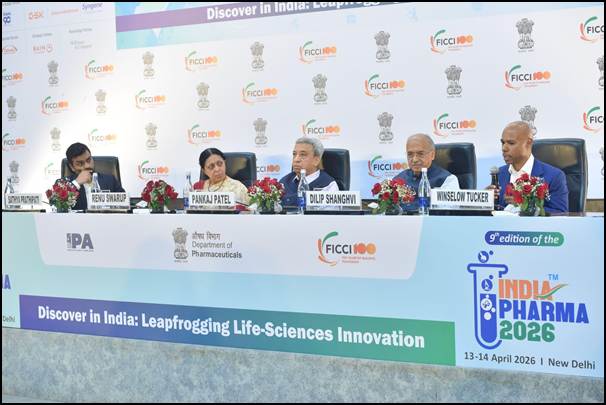
 The 9th edition of India Pharma 2026, organised by the Department of Pharmaceuticals, Ministry of Chemicals & Fertilizers, Government of India, in association with FICCI and IPA, New Delhi, successfully concluded today, after two days of extensive deliberations aimed at strengthening India’s pharmaceutical and biopharma ecosystem.

On the second day of the event, two plenary sessions and a valedictory session were held, focusing on strengthening the pharmaceutical financing ecosystem and charting forward-looking pathways for innovation-led growth. The discussions brought together key stakeholders from industry, finance, academia and policy, highlighting the importance of strategic investments, infrastructure and speed in driving the next phase of sectoral transformation. The sessions emphasised a shift from scale to breakthrough innovation, with a strong focus on advanced therapeutics and unlocking new growth frontiers through investment and innovation synergy.

The event witnessed participation from over 800 delegates across both days, with more than 60 speakers engaging in 10 sessions including 6 plenary sessions, supported by over 20 partner organisations.

Delivering the valedictory address, Shri. Satyaprakash T L, Joint Secretary, Department of Pharmaceuticals, Ministry of Chemicals and Fertilizers noted that discussions across sessions converged around three critical enablers for the next phase of growth: funding, infrastructure and speed. While stakeholders expressed varied views on prioritisation, there was a shared understanding that coordinated action across government, industry and academia is essential. Emphasising the urgency of collaboration, he stated that India must proactively position itself in the evolving global pharmaceutical landscape to remain competitive.

Earlier in the day two plenary sessions were conducted. The session on “Developing a Vibrant Pharma Financing Ecosystem” underscored the critical role of timely and strategic capital in driving pharmaceutical innovation. Speakers highlighted that sustained growth in the sector depends not only on scientific advancements but also on the availability of diverse and accessible financing mechanisms. Dr. Shivkumar Kalyanaraman, Chief Executive Officer, Anusandhan National Research Foundation (ANRF), outlined the evolving research funding architecture, noting that it combines grant-based support for academia and not-for-profit institutions with capital-based instruments for the private sector. 


The discussion explored funding avenues such as venture capital, private equity, blended finance, and public-private partnerships, which are opening new growth pathways for pharmaceutical enterprises. Emphasis was placed on fostering stronger collaboration between industry, investors, regulators, and research institutions to build a resilient and responsive funding ecosystem. Panelists also addressed key financial challenges faced by the sector, including long R&D cycles, high-risk investments, and regulatory and market uncertainties. The need for innovative financing models that support the entire value chain-from early-stage research to commercialization, was highlighted as essential for accelerating innovation and enhancing global competitiveness.

The sixth plenary session, moderated by Shri Sudarshan Jain, Secretary General, Indian Pharmaceutical Alliance, focused on charting India’s next phase of pharmaceutical growth by moving beyond incremental progress toward bold, innovation-driven transformation. Reflecting on the broader evolution of India’s biotechnology and pharmaceutical ecosystem, Dr Renu Swarup, Former Secretary to Govt of India, Department of Biotechnology, Ministry of Science & Technology while addressing session on ‘Reflections and Big Moves to Leapfrog Innovation’, emphasised that the country has made significant strides in building a comprehensive innovation value chain over the past decade, spanning discovery, development and deployment. India has successfully strengthened linkages between academia and industry, which were earlier fragmented, and has created a more cohesive ecosystem for product development. Drawing on the experience of the COVID-19 pandemic, she described it as a testbed that validated India’s capabilities in areas such as financing, partnerships, infrastructure and rapid innovation.

Shri Dilip Shanghvi, Executive Chairman, Sun Pharmaceutical Industries Limited, underlined that pharmaceutical innovation is inherently high-risk and requires mechanisms to share risk across stakeholders, while emphasizing sustained investment in R&D, the importance of reimbursement pathways, and building a strong pipeline of innovative Indian products. Noting that while India has established itself as a global leader in generics and vaccines, the next phase lies in advancing innovative medicines and cutting-edge science to shape the future of global healthcare. Shri Pankaj Patel, Chairman, Zydus Lifesciences, emphasized the need for stronger financial support for research, expanding market access for new drugs.

Shri Winselow Tucker, Co-Chair of the FICCI Pharma Committee and President and General Manager, Eli Lilly India, highlighted that successful transformation in the pharmaceutical sector requires a clear strategic intent supported by a phased roadmap with well-defined milestones.

Industry leaders  emphasised fostering deeper collaboration between government, academia, and industry, while highlighting the transformative role of AI and the importance of accountability across stakeholders.

The sessions collectively highlighted that while India has built strong foundations in pharmaceuticals, the next phase of growth will require bold investments, deeper ecosystem collaboration, and a shift towards innovation-led development to position the country as a global leader in advanced therapeutics.

***

Read more ...

Eduindex Conference 2026: A Platform for Global Academic Collaboration

 Academic conferences play a crucial role in advancing knowledge, encouraging collaboration, and sharing innovative research. In an era where interdisciplinary dialogue and global partnerships are increasingly important, platforms that bring together scholars, educators, and industry experts are essential. The Eduindex Conference 2026 is expected to be one such dynamic platform, providing researchers, academicians, and students with an opportunity to present their work, exchange ideas, and explore emerging trends in education and research. 


The Role of Eduindex in Academic Communication

Eduindex has emerged as a trusted digital platform dedicated to educational news, research developments, and academic activities from India and across the world. The platform publishes information related to conferences, seminars, workshops, research publications, and academic achievements. It serves as a hub where universities, colleges, and research institutions can share updates about their academic initiatives and events.

By providing timely information about educational developments, Eduindex connects the academic community with opportunities for collaboration, learning, and professional development. The Eduindex Conference 2026 is a natural extension of this mission, aiming to create a space where scholars and professionals can interact and discuss the latest developments across multiple disciplines.

Purpose of Eduindex Conference 2026

The primary goal of Eduindex Conference 2026 is to promote knowledge sharing and interdisciplinary research. Academic conferences are essential forums where participants present their research findings, receive feedback from experts, and discover new perspectives on their work. Such events foster intellectual exchange and help researchers refine their ideas before publishing them in journals or books.

Conferences also create valuable networking opportunities. Scholars often find collaborators, mentors, and funding partners during conference discussions. These interactions may lead to joint research projects, academic partnerships, or institutional collaborations that contribute to long-term academic growth.

The Eduindex Conference 2026 is expected to bring together a diverse group of participants including researchers, professors, doctoral scholars, students, industry professionals, and policymakers. This diversity ensures that discussions cover both theoretical insights and practical applications.

Key Themes and Areas of Discussion

Academic conferences typically focus on contemporary challenges and emerging trends in various disciplines. The Eduindex Conference 2026 is expected to highlight topics such as:

  • Innovations in education and digital learning

  • Advances in science and technology

  • Sustainable development and environmental research

  • Social sciences and public policy

  • Artificial intelligence and data science

  • Entrepreneurship and business innovation

  • Health sciences and interdisciplinary research

These topics reflect the rapidly changing academic landscape, where collaboration across disciplines is becoming increasingly important. By bringing together experts from different fields, the conference will encourage discussions that lead to innovative solutions for real-world problems.

Opportunities for Researchers and Scholars

One of the most valuable aspects of academic conferences is the opportunity to present research papers. Scholars participating in Eduindex Conference 2026 will have the chance to share their findings with a wider audience, receive constructive feedback, and refine their research methodology.

Presenting at a conference also enhances academic visibility. Researchers gain recognition within their academic community and build a stronger professional profile. For early-career scholars and doctoral students, conferences serve as stepping stones toward publishing in reputed journals and establishing themselves in their respective fields.

Another important feature of conferences is the possibility of publication. Selected papers from conferences are often published in conference proceedings, edited books, or peer-reviewed journals. This allows researchers to disseminate their work to a broader audience and contribute to global academic knowledge.

Networking and Collaboration

Beyond paper presentations, conferences provide invaluable networking opportunities. Informal discussions during panel sessions, workshops, and networking breaks often lead to meaningful academic relationships. Researchers may find collaborators who share similar interests, leading to joint research proposals or international partnerships.

Academic networking also benefits students and early-career professionals who are exploring career paths in research or academia. Interacting with experienced scholars allows them to gain insights into emerging research trends, academic publishing, and funding opportunities.

Professional Development and Learning

Conferences are not only about presenting research; they are also about learning. Participants attend keynote lectures, panel discussions, and technical sessions that highlight the latest advancements in various disciplines. Such sessions often feature distinguished scholars and industry experts who share their experiences and perspectives.

These interactions contribute to professional development by exposing participants to new methodologies, technologies, and research tools. For educators, conferences provide insights into innovative teaching practices and curriculum development strategies.

Impact on the Academic Community

Well-organized conferences have a lasting impact on the academic community. They encourage the dissemination of new knowledge, strengthen professional networks, and inspire innovative research. Effective conference platforms facilitate knowledge exchange, networking opportunities, and continuing education for participants.

The Eduindex Conference 2026 aims to contribute to these goals by fostering collaboration among scholars from different disciplines and geographical regions. By bringing together diverse perspectives, the conference will help generate new ideas that can address contemporary global challenges.

Conclusion

The Eduindex Conference 2026 promises to be an important event for researchers, educators, and students seeking to engage with the latest developments in academia. By providing a platform for knowledge exchange, collaboration, and professional growth, the conference will strengthen connections within the global academic community.

In today’s interconnected world, academic progress depends on dialogue and cooperation across disciplines and institutions. Conferences like Eduindex Conference 2026 play a vital role in facilitating this exchange of ideas. For scholars and students alike, participating in such events offers a unique opportunity to share research, learn from experts, and contribute to the advancement of knowledge.

As the academic landscape continues to evolve, initiatives like the Eduindex Conference serve as catalysts for innovation and collaboration, shaping the future of education and research worldwide.

Read more ...

Latest Posts

5/recent/post-list